020 3744 5548


Effective Trash Sorting Techniques
Posted on 03/05/2025
As global environmental challenges continue to rise, proper waste management is essential. One of the integral components of waste management is trash sorting. Improper trash sorting can lead to increased pollution, waste of resources, and an overall inefficiency in recycling processes. This article delves into effective trash sorting techniques, providing insights, tips, and discussing the pros and cons.
Understanding Trash Categories
To effectively sort trash, it is crucial to understand the primary categories of waste: recyclables, compostables, and non-recyclables. Recyclables include materials like paper, glass, metals, and certain plastics. Compostables are organic materials such as food scraps and yard waste, which can decompose naturally. Non-recyclables, or landfill waste, include items that cannot be recycled or composted easily.
Labeling and Color Coding Bins
Using labeled and color-coded bins can significantly enhance the efficiency of trash sorting. Typically, blue bins are used for recyclables, green bins for compostables, and black bins for landfill waste. Ensuring that bins are clearly labeled helps in the quick identification and proper segregation of waste.
Using Technology and Apps
Technology can streamline the trash sorting process. Various apps provide guidelines on how to sort specific items and reminders for waste collection days. Some advanced waste management systems even use AI to detect and sort waste automatically. Leveraging technology can reduce human error and improve sorting efficiency.
Community Engagement and Education
Community participation is paramount for successful waste management. Organizing workshops, educational campaigns, and providing accessible resources can motivate people to sort their trash correctly. Encouraging community involvement creates a collective responsibility towards environmental sustainability.
Home Composting Solutions
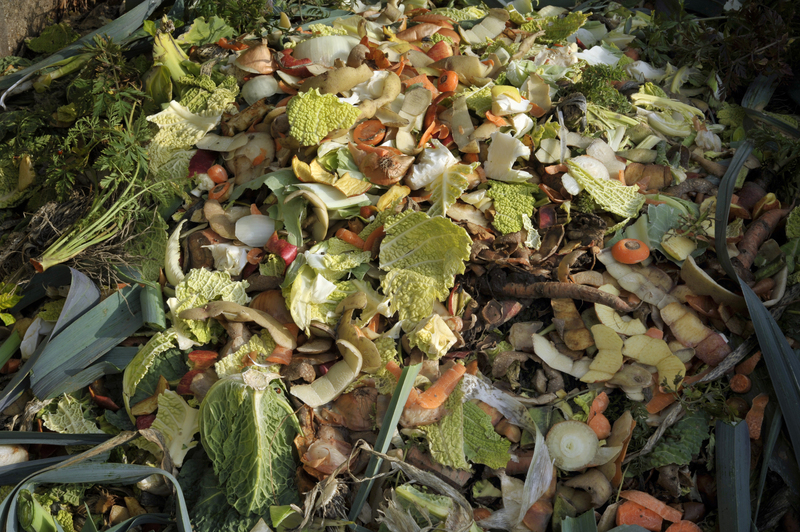
Composting at home can reduce the amount of organic waste sent to landfills. Using compost bins or piles, households can turn food scraps and yard waste into valuable compost. This not only reduces waste but also enriches the soil for gardening purposes.
Pros and Cons of Trash Sorting
Pros
- Reduces environmental pollution.
- Conserves natural resources by enhancing recycling.
- Reduces the volume of waste sent to landfills, extending their lifespan.
- Promotes sustainable practices and environmental awareness.
Cons
- Requires time and effort to sort trash accurately.
- Initial costs for setting up bins and composting systems can be high.
- Need for continuous education and community engagement.
- Possibility of contamination if sorting is not done correctly.
Tips for Effective Trash Sorting
- Educate yourself about local recycling guidelines and rules.
- Keep bins in convenient locations to encourage use.
- Rinse recyclables to prevent contamination.
- Flatten cardboard and other bulky items to save space.
- Avoid "wish-cycling" - placing items in bins hoping they are recyclable.

Key Takeaways
- Proper trash sorting is critical for effective waste management.
- Understanding the different categories of waste helps in accurate sorting.
- Community engagement and education are essential for widespread adoption.
- Leveraging technology can enhance sorting accuracy and efficiency.
Conclusion
Effective trash sorting techniques play a vital role in promoting environmental sustainability. By understanding waste categories, using labeled bins, leveraging technology, engaging the community, and implementing home composting solutions, we can significantly impact waste management positively. While there are challenges, the benefits far outweigh the drawbacks. With collective effort and education, we can ensure that trash sorting becomes second nature, leading to a cleaner, greener planet.
Latest Posts
Environmental Harm from Poor Waste Practices